Alonben Meir
  • About
  • Contact
Alonben Meir
  • About
  • Contact
  • Home
  • Writings
  • Media
  • Events
  • Books
  • Courses
Alon Ben-Meir
  • Home
  • Writings
  • Media
  • Events
  • Books
  • Courses

Newest Article

History Will Not Yield to Power For decades, Israel and the Palestinians have tried to bend reality to their will. But reality does not yield to force, memory does not fade on command, and justice cannot... Continue reading

Recent Articles

View All Articles

Turkey’s Egregious Human Rights Violations Are Beyond The Pale

Turkey’s human rights record has crossed from troubling to indefensible. Behind the language of counterterrorism and national security lies a systematic campaign that has dismantled the rule of law, criminalized dissent, and stripped hundreds of thousands of their most basic rights In the aftermath of the 2016 attempted coup, Turkey’s President Erdogan embarked on a…

The Global Epidemic Of Violence In An Age Of Impunity

Violence has metastasized into humanity’s baseline condition. Yet international institutions remain paralyzed by vetoes and rivalry, offering hollow declarations while dehumanization becomes normalized. Coordinated action, not gestures, is desperately needed Global violence today is metastasizing, not contained; over 180,000 violent events reported globally by the International Institute for Strategic Studies signal a world in which…

The Shattered Covenant

As Israel celebrates its 78th anniversary Israel! I speak not in anger, but in mourning. What unfolds here is not prophecy— It is a confession. A lament for a nation that lost its way. A reckoning with faith betrayed, with justice undone. The dream of Israel, once radiant, redemptive, now stands fractured— its soul adrift…

Trump, Iran, And The Folly Of Demanding Surrender

Trump’s threats and maximalist demands ignore Iran’s history, security fears, and distrust of Washington. A durable agreement requires time, restraint, and professional diplomacy—not bombast, coercion, and calls for unconditional surrender that guarantee only resistance Iran is not a transient power that can be coerced into submission; it is a civilization with over 2,500 years of…

Latest Interviews

View All Interviews

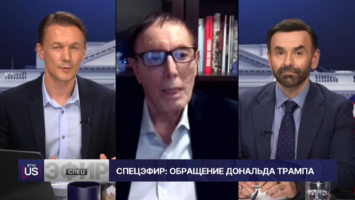
RTVI – Trump’s Statement on Iran

RTVI – Trump’s First 100 Days

Latest Podcasts

View All Podcasts

On the Issues Episode 149: Lulzim Peci

Alon Ben-Meir · On the Issues Episode 149: Lulzim Peci

On the Issues Episode 148: Jane Olson

Alon Ben-Meir · On the Issues Episode 148: Jane Olson

On the Issues Episode 147: Katrina Fotovat

Alon Ben-Meir · On the Issues Episode 147: Katrina Fotovat

Video

View All Videos

Will Saudi Arabia Become a Peace-Maker? – LA Jews for Peace

Recent Social Activity

Alon Ben-Meir

alonbenmeir

1,880 1,011

Retired Professor at @nyucga, Senior Fellow at World Policy Institute.

Any political future that denies either Israelis or Palestinians their fundamental dignity and rights violate this principle at its core. A just and lasting peace, therefore, is not simply a matter of political expediency; it is a moral necessity. At the end of all wars, all ideologies, and all illusions, one truth remains immovable: neither people will disappear, and neither can secure freedom at the expense of the other’s humanity. The land they share does not yield to force, nor does history bend to power. It waits, unforgiving and unchanged, for recognition, demanding truth, mutual justice, reciprocal dignity, and a conscious choice for peace. That land has absorbed enough blood to prove what force cannot resolve. Without recognition and political courage, both sides risk losing not only territory, but the moral and human future they still struggle to preserve.⁠
⁠
Read more from my latest article; link in bio.

0 0
Open
Any political future that denies either Israelis or Palestinians their fundamental dignity and rights violate this principle at its core. A just and lasting peace, therefore, is not simply a matter of political expediency; it is a moral necessity. At the end of all wars, all ideologies, and all illusions, one truth remains immovable: neither people will disappear, and neither can secure freedom at the expense of the other’s humanity. The land they share does not yield to force, nor does history bend to power. It waits, unforgiving and unchanged, for recognition, demanding truth, mutual justice, reciprocal dignity, and a conscious choice for peace. That land has absorbed enough blood to prove what force cannot resolve. Without recognition and political courage, both sides risk losing not only territory, but the moral and human future they still struggle to preserve.⁠
⁠
Read more from my latest article; link in bio.

In my recent podcast with Lulzim Peci, principal founder and Executive Director of the Kosovar Institute for Policy Research and Development and former Ambassador of Kosovo in Stockholm, we discussed the upcoming election in the country - the third in 18 months - and what the results may be. Listen to this and more from my latest episode, available now. Link in bio.

3 1
Open
In my recent podcast with Lulzim Peci, principal founder and Executive Director of the Kosovar Institute for Policy Research and Development and former Ambassador of Kosovo in Stockholm, we discussed the upcoming election in the country - the third in 18 months - and what the results may be. Listen to this and more from my latest episode, available now. Link in bio.

Today’s podcast guest is Lulzim Peci, principal founder and Executive Director of the Kosovar Institute for Policy Research and Development (KIPRED), and a member of the Board of the Council of Kosovo Ambassadors.⁠
⁠
In this episode, we discuss political instability in Kosovo, particularly as the country is set to return to the polls for the third time in less than 18 months. We discuss what led to the series of elections and what we may be able to expect out of this upcoming election, as well as how this impacts Kosovo’s ongoing efforts toward EU candidacy.⁠
⁠
Listen now; link in bio.⁠
⁠
Full bio⁠
Mr. Lulzim Peci holds a PhD in Political Science from the South East European University in North Macedonia, an M.A. in International Relations from the University Institute Ortega y Gasset in Spain, and a B.Sc. in Electrical Engineering from the University of Prishtina in Kosovo. He is the principal founder and Executive Director of the Kosovar Institute for Policy Research and Development (KIPRED), and a member of the Board of the Council of Kosovo Ambassadors (CKA).⁠
⁠
In the past, Mr. Peci served as Ambassador of Kosovo in Stockholm (2009-2013). He also was Chair of the Board of the Kosovo Foundation for Open Society (2019 – 2023), Member of the Board of the Kosovo American Education Fund (2021 – 2023), Member of the Board of the American University in Kosovo (2007 – 2009), Executive Director of the Kosovar Civil Society Foundation (1999 – 2003), and as a Researcher at the Kosovo Center for International Studies (KCIS)/Foreign Policy Team of the late Kosovo’s President, Dr. Ibrahim Rugova (1995-1998). Mr. Peci’s research interests primarily focus on foreign and security policies, inter-ethnic relations, and political parties.

3 0
Open
Today’s podcast guest is Lulzim Peci, principal founder and Executive Director of the Kosovar Institute for Policy Research and Development (KIPRED), and a member of the Board of the Council of Kosovo Ambassadors.⁠
⁠
In this episode, we discuss political instability in Kosovo, particularly as the country is set to return to the polls for the third time in less than 18 months. We discuss what led to the series of elections and what we may be able to expect out of this upcoming election, as well as how this impacts Kosovo’s ongoing efforts toward EU candidacy.⁠
⁠
Listen now; link in bio.⁠
⁠
Full bio⁠
Mr. Lulzim Peci holds a PhD in Political Science from the South East European University in North Macedonia, an M.A. in International Relations from the University Institute Ortega y Gasset in Spain, and a B.Sc. in Electrical Engineering from the University of Prishtina in Kosovo. He is the principal founder and Executive Director of the Kosovar Institute for Policy Research and Development (KIPRED), and a member of the Board of the Council of Kosovo Ambassadors (CKA).⁠
⁠
In the past, Mr. Peci served as Ambassador of Kosovo in Stockholm (2009-2013). He also was Chair of the Board of the Kosovo Foundation for Open Society (2019 – 2023), Member of the Board of the Kosovo American Education Fund (2021 – 2023), Member of the Board of the American University in Kosovo (2007 – 2009), Executive Director of the Kosovar Civil Society Foundation (1999 – 2003), and as a Researcher at the Kosovo Center for International Studies (KCIS)/Foreign Policy Team of the late Kosovo’s President, Dr. Ibrahim Rugova (1995-1998). Mr. Peci’s research interests primarily focus on foreign and security policies, inter-ethnic relations, and political parties.

When governments criminalize protest, undermine expertise, and weaken democratic institutions, climate action becomes harder and climate disasters become deadlier. Those paying the highest price are often the most vulnerable communities already facing war, poverty, displacement, and environmental collapse.

2 1
Open
When governments criminalize protest, undermine expertise, and weaken democratic institutions, climate action becomes harder and climate disasters become deadlier. Those paying the highest price are often the most vulnerable communities already facing war, poverty, displacement, and environmental collapse.
Follow on Instagram
Used for the like, share, comment, and reaction icons
Alon Ben-Meir
7 hours ago
Alon Ben-Meir

South Sudan is bleeding, and the world cannot afford to look away. As armed conflict intensifies, civilians continue to pay the highest price, killed in attacks, driven from their homes, and subjected to horrific sexual violence. The UN Security Council’s decision to renew the arms embargo is more than a diplomatic measure; it is a lifeline for vulnerable communities trapped in a cycle of war and impunity. Yet some governments continue to push for lifting the embargo, despite mounting evidence that weapons are fueling atrocities. More guns will not bring peace. They will only deepen the suffering. Protecting civilians begins with stopping the flow of arms that continue to devastate lives across South Sudan. ... See MoreSee Less

South Sudan is bleeding, and the world cannot afford to look away. As armed conflict intensifies, civilians continue to pay the highest price, killed in attacks, driven from their homes, and subjected to horrific sexual violence. The UN Security Council’s decision to renew the arms embargo is more than a diplomatic measure; it is a lifeline for vulnerable communities trapped in a cycle of war and impunity. Yet some governments continue to push for lifting the embargo, despite mounting evidence that weapons are fueling atrocities. More guns will not bring peace. They will only deepen the suffering. Protecting civilians begins with stopping the flow of arms that continue to devastate lives across South Sudan.
View on Facebook
· Share
Share on Facebook Share on Twitter Share on Linked In Share by Email
View Comments
  • Likes: 0
  • Shares: 0
  • Comments: 0

0 CommentsComment on Facebook

Alon Ben-Meir
17 hours ago
Alon Ben-Meir

Trump has subordinated the Justice Department to his personal will, but he cannot fully subordinate independent grand juries—and their refusals to indict expose the legal hollowness of his retaliatory cases. Repeated failures to secure indictments, despite the low “probable cause” threshold, strongly suggest that these prosecutions lack admissible, non hearsay evidence sufficient to establish even a prima facie case of criminal liability. Federal judges, increasingly outspoken and visibly exasperated, have castigated Department lawyers in open court for presenting politically charged but evidentiary thin cases and for failing to meet even minimal standards of proof expected at the indictment stage. This pattern of “no bills” and judicial rebuke amounts to a systemic condemnation of a corrupted charging process. Trump is violating core rule of law norms—prosecutorial independence, equal protection, and the prohibitions on selective and vindictive prosecution. ... See MoreSee Less

Trump has subordinated the Justice Department to his personal will, but he cannot fully subordinate independent grand juries—and their refusals to indict expose the legal hollowness of his retaliatory cases. Repeated failures to secure indictments, despite the low “probable cause” threshold, strongly suggest that these prosecutions lack admissible, non hearsay evidence sufficient to establish even a prima facie case of criminal liability. Federal judges, increasingly outspoken and visibly exasperated, have castigated Department lawyers in open court for presenting politically charged but evidentiary thin cases and for failing to meet even minimal standards of proof expected at the indictment stage. This pattern of “no bills” and judicial rebuke amounts to a systemic condemnation of a corrupted charging process. Trump is violating core rule of law norms—prosecutorial independence, equal protection, and the prohibitions on selective and vindictive prosecution.
View on Facebook
· Share
Share on Facebook Share on Twitter Share on Linked In Share by Email
View Comments
  • Likes: 0
  • Shares: 0
  • Comments: 0

0 CommentsComment on Facebook

Alon Ben-Meir
24 hours ago
Alon Ben-Meir

Italy is facing a human rights challenge before the European Court of Human Rights after releasing a Libyan warlord wanted by the International Criminal Court for alleged war crimes and crimes against humanity. Two migrants who say they were tortured in a Libyan detention center under his control argue that Italy’s decision to free and return him to Libya denied them justice and violated fundamental protections against torture. The case raises profound questions about accountability, victims' rights, and whether political and security interests can override international legal obligations. For survivors of torture and abuse, justice delayed—or denied- can deepen the wounds long after the violence ends. ... See MoreSee Less

Italy is facing a human rights challenge before the European Court of Human Rights after releasing a Libyan warlord wanted by the International Criminal Court for alleged war crimes and crimes against humanity. Two migrants who say they were tortured in a Libyan detention center under his control argue that Italy’s decision to free and return him to Libya denied them justice and violated fundamental protections against torture. The case raises profound questions about accountability, victims rights, and whether political and security interests can override international legal obligations. For survivors of torture and abuse, justice delayed—or denied- can deepen the wounds long after the violence ends.
View on Facebook
· Share
Share on Facebook Share on Twitter Share on Linked In Share by Email
View Comments
  • Likes: 0
  • Shares: 0
  • Comments: 0

0 CommentsComment on Facebook

Alon Ben-Meir
1 day ago
Alon Ben-Meir

Human rights matter most when they protect the people we are least inclined to defend. The case of Markus Braun, the former Wirecard CEO accused of massive fraud, raises troubling questions about justice, due process, and the presumption of innocence. After nearly six years in detention, with his trial still ongoing, his lawyers have taken the case to the European Court of Human Rights, arguing that such prolonged detention violates fundamental rights. Regardless of Braun’s guilt or innocence, the principle at stake is larger than one individual: no justice system should allow basic rights to erode simply because a defendant is unpopular. Human rights exist to protect everyone, especially when public opinion does not. ... See MoreSee Less

Human rights matter most when they protect the people we are least inclined to defend. The case of Markus Braun, the former Wirecard CEO accused of massive fraud, raises troubling questions about justice, due process, and the presumption of innocence. After nearly six years in detention, with his trial still ongoing, his lawyers have taken the case to the European Court of Human Rights, arguing that such prolonged detention violates fundamental rights. Regardless of Braun’s guilt or innocence, the principle at stake is larger than one individual: no justice system should allow basic rights to erode simply because a defendant is unpopular. Human rights exist to protect everyone, especially when public opinion does not.
View on Facebook
· Share
Share on Facebook Share on Twitter Share on Linked In Share by Email
View Comments
  • Likes: 0
  • Shares: 0
  • Comments: 0

0 CommentsComment on Facebook

Load more
  • Associates
  • FAQ
  • Privacy Policy
Sign up for our email newsletter to get latest updates to your inbox.
Copyright 2004 - 2026, Dr. Alon Ben-Meir. All rights reserved